Pakistan’s National Database and Registration Authority (NADRA) has recently rolled out significant changes to its CNIC and B-Form rules for 2026. These updates, driven by directives from Federal Interior Minister Mohsin Naqvi, aim to modernize the nation’s identity framework, enhance security, and ensure that every citizen’s data is accurately recorded.
Whether you are applying for a child’s B-Form for the first time or renewing your Smart CNIC, understanding the new fee structures and requirements is essential. From mandatory birth registrations to new biometric categories for children, these changes are designed to safeguard against identity fraud and streamline the verification process.
This guide breaks down the latest fee structures, eligibility criteria, and critical regulatory updates you need to know to keep your documentation compliant and up to date.
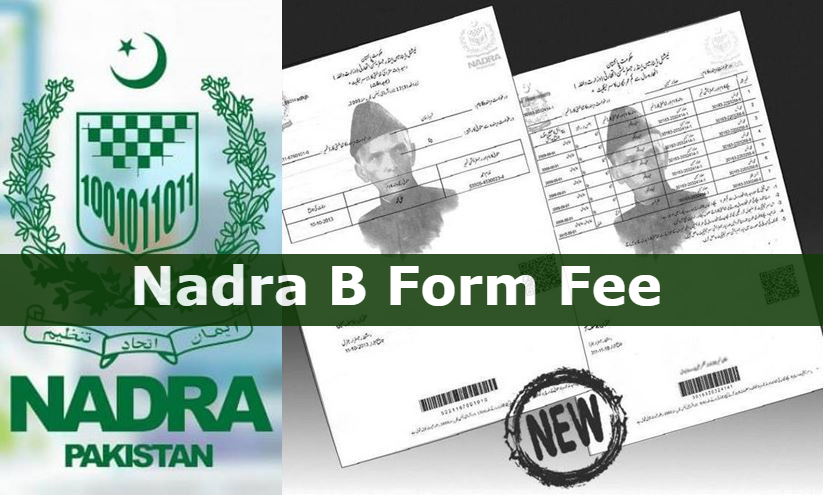
NADRA B-Form and Service Fees
Before diving into the procedural changes, it is important to understand the costs associated with these services. NADRA has structured its fees to offer affordable options for standard processing while providing faster alternatives for those in a hurry.
- Regular B-Form Fee: Rs. 50
- Executive Services Fee: Rs. 500
These fees ensure that essential identity documents remain accessible to the general public, while executive services provide a quicker turnaround for those who require expedited processing.
Why Are These Changes Being Implemented?
The newly implemented regulations for 2026 are not just administrative updates; they address fundamental issues within Pakistan’s identity system. By enforcing stricter checks and modernizing data collection, NADRA aims to reinforce child protection mechanisms and improve the overall accuracy of national records.
A primary driver behind these changes is the need to curb fraudulent activities. In the past, fake entries at the Union Council level posed significant challenges. The introduction of mandatory birth registration and tiered biometric verification is a direct response to these issues, creating a system that is transparent, accurate, and secure.
Critical Updates to B-Form Requirements
Mandatory Birth Registration
One of the most significant shifts in policy is the requirement for mandatory birth registration before applying for a B-Form. Parents must now register their child’s birth at their local Union Council. This step is no longer optional or secondary; it is a prerequisite.
By linking the B-Form issuance directly to Union Council records, the government ensures that all children are properly documented from birth. This reduces the risk of identity theft and strengthens the state’s ability to protect children’s rights.
Individualized B-Forms
Moving away from collective documentation, NADRA now issues an individual B-Form for each child. These forms come with a specific validity period. While older, collective B-Forms remain valid for now, possessing a new, individualized B-Form is mandatory if you are applying for a passport. This shift aligns with global standards and prepares the system for future digital integration.
New Biometric Standards by Age Group
To further secure the identity database, biometric data collection has been overhauled. The requirements are now categorized by age, ensuring that data collection is appropriate for the child’s developmental stage while maintaining high security.
- Children under 3 years: The process is simplified for toddlers. No biometric data or photographs are required for this age group.
- Children aged 3 to 10: A photograph and an iris scan are required.
- Children aged 10 to 18 years: The requirements become more comprehensive, mandating a photograph, biometric fingerprints, and an iris scan.
This tiered approach allows NADRA to create an accurate digital identity that grows with the child, balancing privacy concerns for the youngest citizens with the need for robust identification for older children.
Modernizing Identification Documents
Legal Recognition for Family Registration Certificate (FRC)
The Family Registration Certificate (FRC) has received an upgrade in legal status. It is now a recognized legal document, and applicants must sign a declaration confirming the accuracy of their family details during the application.
The modernized FRC offers two key improvements:
- Detailed Spousal Information: It contains comprehensive details about spouses, which is particularly relevant in cases of multiple marriages.
- Naming Options for Women: Women now have the agency to choose whether their FRC displays their father’s name or their husband’s name on their CNIC.
The New Chipless Identity Card
In an effort to reduce costs and improve accessibility, NADRA has introduced a new chipless identity card. While it lacks the physical electronic chip found in Smart CNICs, it is far from low-tech.
These cards feature bilingual data presentation in both Urdu and English, making them useful for wider verification purposes. Furthermore, they include a QR code that allows for instant digital verification. The production of these cards is faster and less expensive, providing an efficient alternative for citizens who need reliable identification without the higher cost or wait times associated with chip-based cards.
Improving Public Service Delivery
Beyond document features, NADRA is focused on improving the citizen experience.
30-Day Resolution for CNIC Cases
For individuals dealing with blocked or confiscated CNICs, the wait times have historically been a source of frustration. NADRA has now committed to resolving such restoration cases within 30 days. This deadline is part of a broader push to respect citizens’ time and ensure that identity issues do not hinder their daily lives.
Expanded Mobile Biker Service in Karachi
Accessibility remains a priority, especially in densely populated areas.What started with three units has grown to eight. These mobile units can travel directly to a citizen’s doorstep to process applications, saving applicants the time and effort of visiting a crowded center.
Steps to Ensure Compliance
With these changes in effect, taking proactive steps will save you from potential administrative headaches down the road.
- Register Births Immediately: If you have a newborn or a young child who is not yet registered, visit your local Union Council immediately. Delaying this can complicate the B-Form process later.
- Verify Your Biometrics: Before visiting a NADRA center, check which biometric requirements apply to your child’s age group to ensure you are prepared.
- Check Document Accuracy: If you plan to apply for a passport or make major life changes, review your current B-Form and CNIC. If you are relying on an old B-Form, consider updating to the new individualized version.
- Explore Chipless Options: If you are renewing your card and want a cost-effective, quick solution, ask about the new chipless identity card.
Securing Your Identity in a Digital Pakistan
NADRA’s updated rules for 2026 represent a significant leap forward for identity management in Pakistan. By standardizing birth registration, categorizing biometrics, and introducing legally recognized FRCs, the authority is building a system that is both secure and user-friendly.
These initiatives do more than just update a database; they protect the legal identity of every citizen, from infants to adults. By staying informed and keeping your documents up to date, you contribute to a more transparent and efficient Pakistan.